UPDATE: September 18, 2025
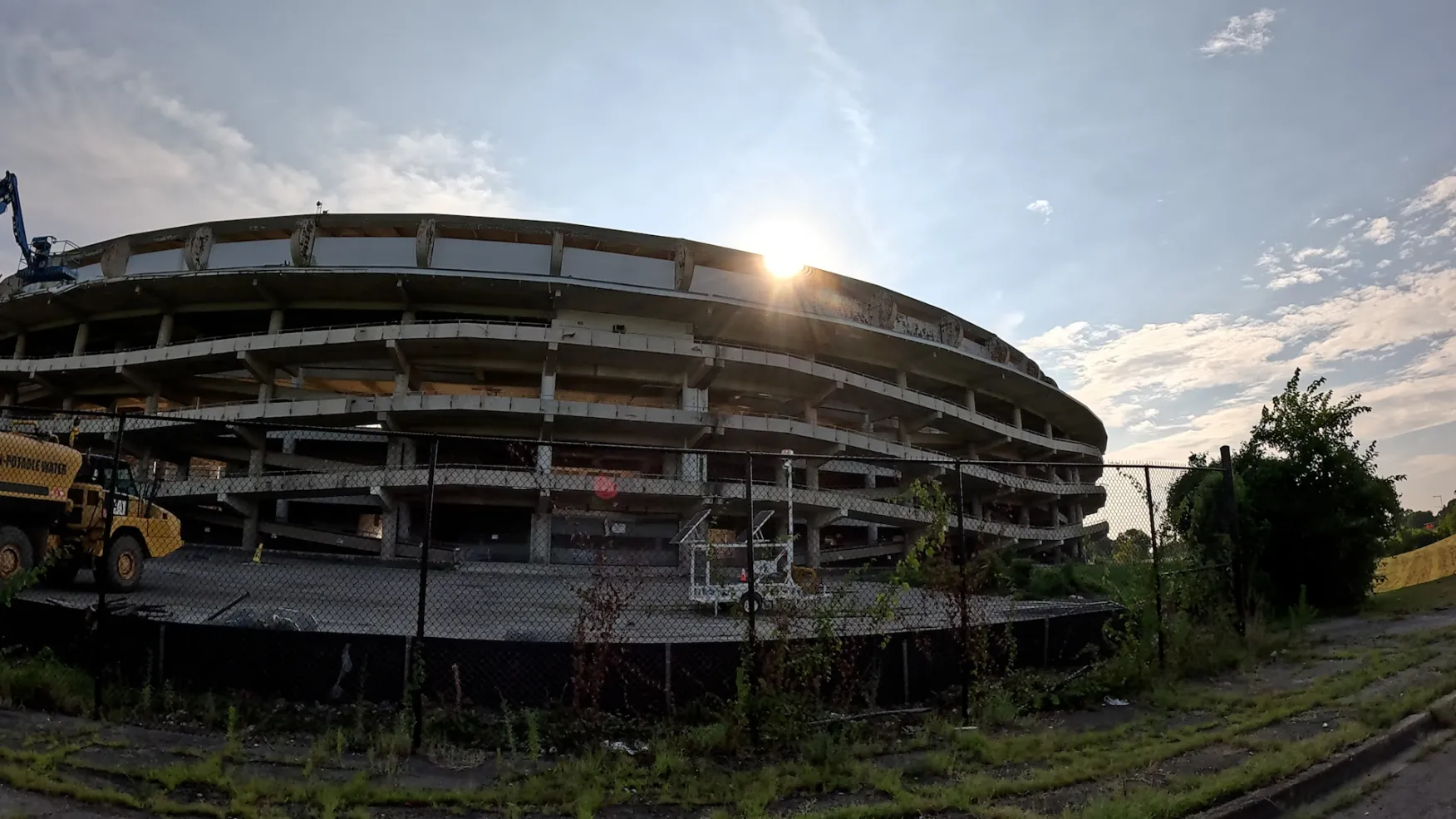
Yesterday, September 17th, DC Council made the final decision to approve the legislation for the Washington Commanders to return to the RFK site and develop a new stadium. This plan is providing $1 billion in taxpayer subsidies to the billionaires who own the team while they have ignored the environmental concerns for the tree canopy, sustainable energy, the health of the Anacostia River and affordable housing.
The legislation passed 11-2. Councilmember Charles Allen’s energy and environmental amendments and Councilmember Wendell Felder’s housing amendments were accepted. Councilmember Robert White’s amendment to have strict terms of accountability for the team to deliver on affordable housing was unsuccessful, prompting him to oppose the legislation with Councilmember Brianne Nadeau.
Nature Forward extends our gratitude to the councilmembers who stood with the community through this decision, adopting some of the amendments that reflect the needs and priorities of DC residents–including high energy standards, reinvestment into Wards 5-8 and preservation of 20 heritage trees. The introduced amendments affirms that some of our leaders still believe that development must serve the residents and families in the District. As this project moves forward, we urge the Mayor, the full DC Council, and the Washington Commanders team to put the people of the District first by ensuring communication, transparency, accountability, and long-term community benefits for all throughout the development process and the decades the Commanders will spend on the site. Thank you to the many DC residents and Nature Forward members and supporters who sent letters and made calls. Without your advocacy, we would not have these amendments considered. The fight continues, and we’ll be here every step of the way!
Sustainable Standards for RFK
The revitalization of the 190‑acre RFK Stadium site is moving rapidly toward a D.C. Council vote on August 1, 2025, for a $3.7 billion redevelopment plan. While the project promises a new domed stadium, 6,000 housing units (1,800 affordable housing units), retail space, parkland, and youth sports facilities. Nature Forward urges that the planning process center on environmental integrity, equitable access, and long‑term climate resilience.
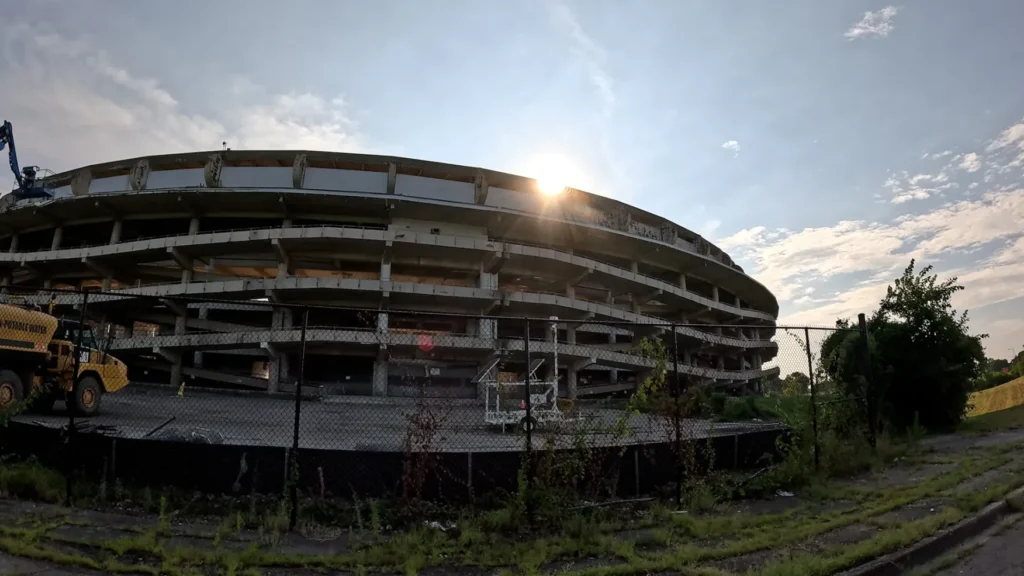
The RFK site is adjacent to the Anacostia River and Kingman and Heritage Islands, areas recognized for their importance to wildlife and ecosystems. Prior to conversations surrounding the redevelopment, Nature Forward has advocated for wetland restoration and other investments in this beautiful and rarity in Washington, DC Ward 7. These interventions would help reduce stormwater runoff, improve water quality in the Anacostia, and increase biodiversity within the area.
Nature Forward supports the inclusion of affordable housing and community spaces but pushes further to ensure native Washingtonians have anti-displacement protections, like property‑tax freezes for nearby residents, to prevent gentrification in adjacent neighborhoods. Many residents inherited these homes and/or moved to the Ward 7 area because of its access to green space and the river. Generations should not be displaced because they can no longer afford to live next to this development that will benefit big corporations and not the residents that have made this community vibrant for decades. Ward 7 should be able to grow the capacity and wealth of the community based on this major investment East of the River. We advocate for a Greater Ward 7 Revitalization Fund, supported by redirected tax revenue from the project, to invest in community infrastructure and services not just real estate.
Other environmental concerns include the redevelopment’s plan to include over 8,000 parking spaces which would impact traffic congestion, air pollution, and sediment erosion in the Anacostia. Climate-forward infrastructure, such as permeable pavement and design aligned with the District’s climate goals should be implemented for this plan.
This deal must include legally binding sustainability standards to protect DC residents, green space, and the Anacostia River. These standards include:
- Water Quality: Protect the Anacostia River from stormwater runoff and pollution from building materials.
- Transportation: Limit parking and prioritize safe, equitable transit, cycling, and pedestrian access.
- Wildlife & Habitat: Wildlife habitat on the site should be protected and restored.
- Waste: The development of the RFK site should model zero waste practices.
- Flood Control: Protect residents, businesses and downstream areas from flooding by prohibiting residential and commercial structures from the 100-year floodplain.
- Community Services and Engagement: Ensure the site serves residents of the surrounding neighborhoods and their input is weighted heavily.
- Energy: The RFK site should have a forward-looking model of green infrastructure that is fully aligned with DC’s clean energy commitments.
Out of all of the recommendations, we encourage DC residents to raise their voice and take action. What is important to you about the RFK Redevelopment?
Contact your Councilmember directly. Call or email your ward councilmember, at-large members, and the chairman to ask for their support in considering these sustainable standards. Unsure what ward you live in? Use this link to locate your ward and councilmember based on your zip code.
This is a critical moment in shaping eastern D.C.’s future. The decisions made now will resonate for generations either as a legacy of inclusive, restorative urbanism or as a missed opportunity. Nature Forward stands ready to advocate for a plan that prioritizes people and planet over profit.