Developer TeraWulf plans to convert an oil power plant in Charles County into a data center, raising concerns from environmental and consumer protection organizations. But what are the details of the proposed data center? And who is TeraWulf, the crypto-mining company-turned data center developer behind the project?
The Proposed Project
In February 2026, TeraWulf filed an application with the Federal Energy Regulatory Commission (FERC) to buy the Morgantown Generation Station, an oil-fired power station that currently generates 216 MW of power for the regional grid. The company wants to massively expand the plant, planning to build 500 MW of generation capacity in an initial phase (more than tripling its current output) while developing data center projects incrementally as generation expands. Its goal for the site is to eventually support 1000 MW or 1 GW of data center load, while remaining a “net-positive energy supplier” (generate more power than it uses) for Maryland. However, it has yet to clearly describe what these expansions would look like, including what their sources of energy would be and how much power they would contribute to the grid.
In December 2025, TeraWulf received a letter of support from the Maryland Department of the Environment Secretary Serena McIlwain, where she said she was “pleased” about the project and promised to expedite permits.
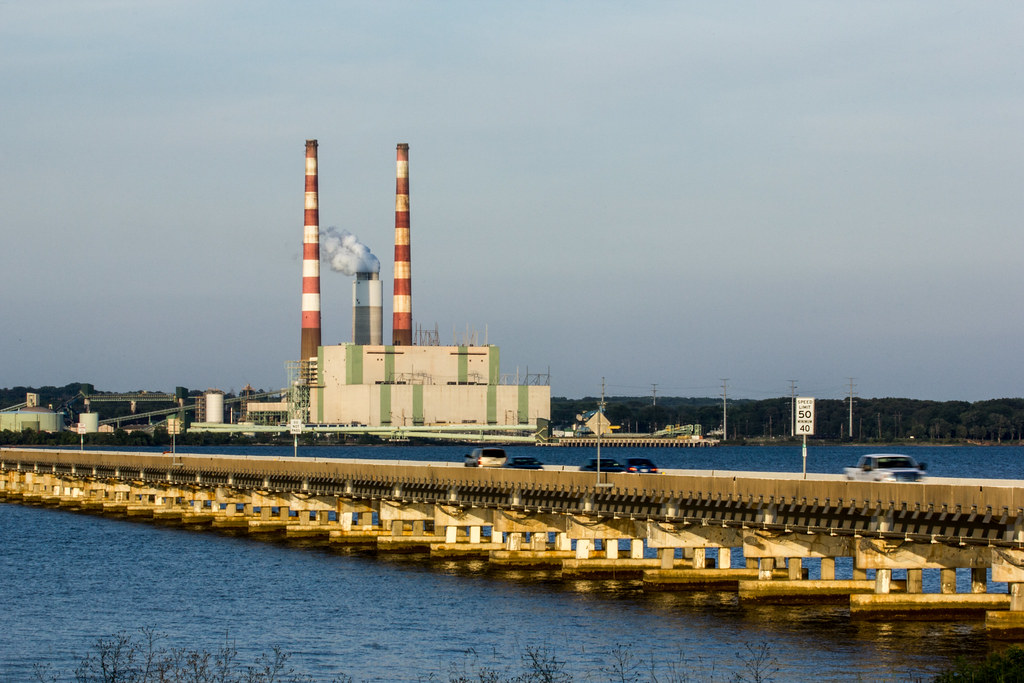
The Morgantown Generating Station, the proposed site of the project, is a power plant located along the Potomac River in Newburg, Maryland. The station opened in 1970, and by 1973, it operated six oil generators and two coal generators, producing a combined 1548 MW of power. The power station is no stranger to controversy; it was found to be illegally discharging toxic coal ash into the Potomac River as late as 2019.
In 2022, GenOn Holdings, the power station’s owner, retired the station’s coal-fired generators, citing unfavorable economic conditions and high costs of environmental compliance. The station’s oil-fired generators are still operational to this day. The area around the plant is considered to be an overburdened community, largely due to the plant’s legacy of pollution.
Widespread Pushback
The proposed project has resulted in major pushback from environmental, community, and consumer protection organizations.
Organizations including the Sierra Club, Public Citizen, and the Port Tobacco River Conservancy, petitioned FERC to deny TeraWulf’s application, citing the plant expansion’s expected environmental impact on a community already overburdened by the site’s decades of burning coal, oil, and gas. The groups also pointed out that TeraWulf’s application fails to acknowledge how it would address the environmental reclamation obligations that would come with taking over the former coal plant. Finally, groups expressed their alarm at previous claims made by TeraWulf that they would repower the site’s coal-fired generators. However, TeraWulf has since walked back those claims, promising in a statement to not repower coal, but instead use natural gas.
Watchdog and consumer protection organizations also urged FERC to deny TeraWulf’s application, including the Maryland Office of the People’s Counsel and PJM’s (the regional electricity grid operator) Independent Market Monitor. Both were concerned about TeraWulf’s plans to use the site to power data centers, as well as the company’s failure to clarify how much power would continue to go to the grid, and how much would be diverted. Diverting electricity to power data centers would result in less total electricity available in the grid, harming grid reliability and raising utility rates for Marylanders.
Groups also raised concerns about TeraWulf’s financial state and questioned its ability to afford to develop the site. They brought up the fact that TeraWulf has not been profitable in the past three years, with a net loss of $661 million in 2025. Its lack of profit and dependency on mining highly volatile bitcoin (which makes up 90% of its revenue) could lead it to cut corners if bitcoin value were to drop, delaying constructing additional power generation or even abandoning the site entirely, according to the Office of the People’s Counsel.
Despite never addressing the potential economic, public health, and environmental impacts of expanding the power plant and constructing a data center, TeraWulf claimed that none of these concerns were relevant to the sale of the power plant and were based on speculation. The company insisted that it had sufficiently proved that the transfer was in the public interest and claimed that all other concerns were not under the scope of the application.
Despite all of these objections, on July 29, 2026, FERC authorized the sale of the Morgantown site to TeraWulf, moving them one step closer to actually building their proposed data center.
TeraWulf Scandals and Controversies
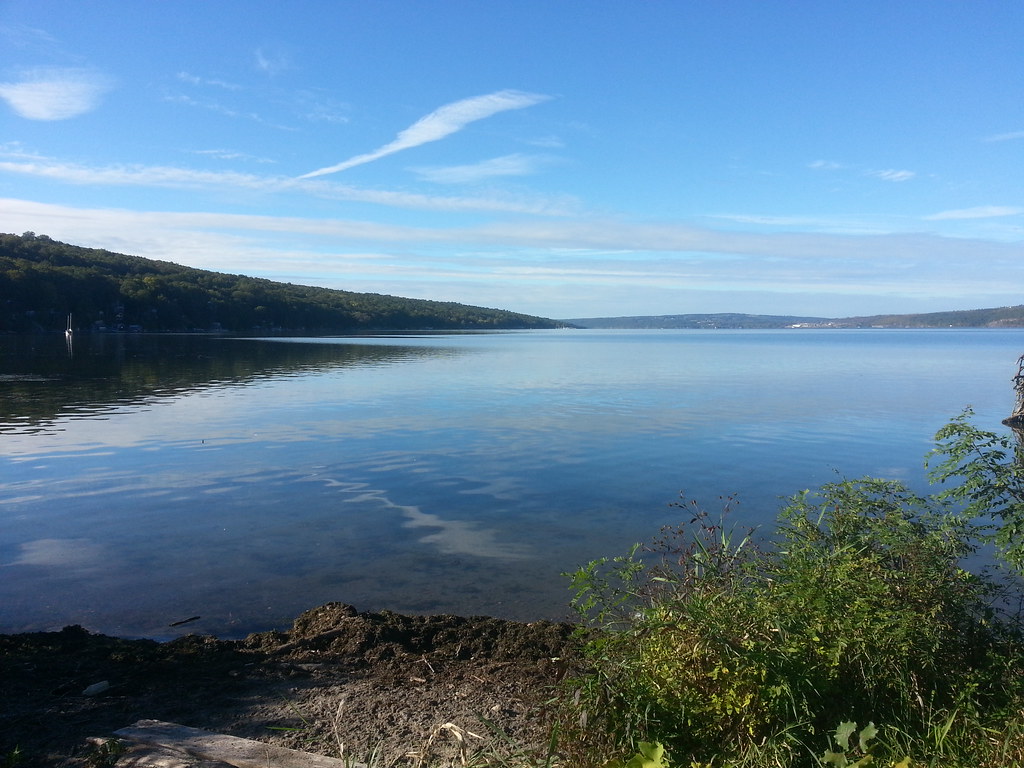
The Morgantown project is far from TeraWulf’s first controversy. In addition to its Morgantown site, TeraWulf is currently developing a 400 MW data center on Cayuga Lake in Lansing, NY. Despite its stated commitment to environmental sustainability and transparency along with claims that it would not withdraw water from the lake, TeraWulf filed an application with the New York Department of Environmental Conservation (DEC) to withdraw over 1 million gallons of water per day for unspecified future use. This has led to widespread concern from residents, and the Tompkins County Legislature voted 12-1 to ask DEC to reject the permit.
In addition, TeraWulf has also been accused of lying about their renewable energy use and environmental sustainability. The company’s Lake Mariner cryptocurrency-mining site claims to be 93% operated by zero-carbon energy. However, this was disputed by state energy officials, who reported TeraWulf actually purchased its energy from the New York power grid and wholesale energy market, neither of which can legally be claimed to be renewable.
Proposed Data Center Legislation
As data center development has become a more salient issue in Charles County, the County Commissioners have begun to look at legislation to regulate data centers. This includes a proposed Zoning Text Amendment (ZTA) that would allow data centers development in several zones, including industrial, general industrial, business park, low-density residential, and planned unit development zones designated as industrial. This would also put in place setback, buffer, noise, lighting, water use, and aesthetic regulations for data centers.
However, the ZTA received widespread criticism from members of the community, citing concerns with the potential environmental and utility rate impacts of allowing data centers in Charles County, as well as the lack of transparency requirements in the ZTA. On June 1, 2026, the Charles County Planning Commission voted unanimously to recommend denying the amendment in its current form. The ZTA will now move to the Charles County Commissioners for final consideration.
TeraWulf Data Center Future
FERC’s approval of the sale of the Morgantown site to TeraWulf has removed significant barriers to the construction of a data center on the site. Now, TeraWulf will have to go through all relevant state and local approval processes, which will depend on the zoning regulations Charles County ultimately implements, if any.
Take Action
Want to stay up to date on the TeraWulf Data Center and other data center projects in Maryland? Here’s how you can get involved:
- Sign up for Nature Forward’s Action Alerts to stay up to date with the latest Maryland Data Center news and learn how to get involved.
- Are you a Charles County resident? Contact your County Commissioner and let them know your concerns with the TeraWulf proposal, the ZTA, and data center development in general. You can find your commissioner here.
- Read TeraWulf’s FERC proceedings at the FERC e-library by searching for docket number EC26-58-000.
- Stay up to date with community organizations involved in opposing the project, including:
- Public Citizen
- The Port Tobacco River Conservancy
- No Data Centers in Charles County Coalition
- If you represent another community organization working on this issue, reach out to us and we will add your information to this blog post.