
How Water Consumption Impacts the Environment and Local Communities
Guest post by Nature Forward volunteer Craig Carlson…if you’d like to research, write, and edit educational materials like this, reach out!
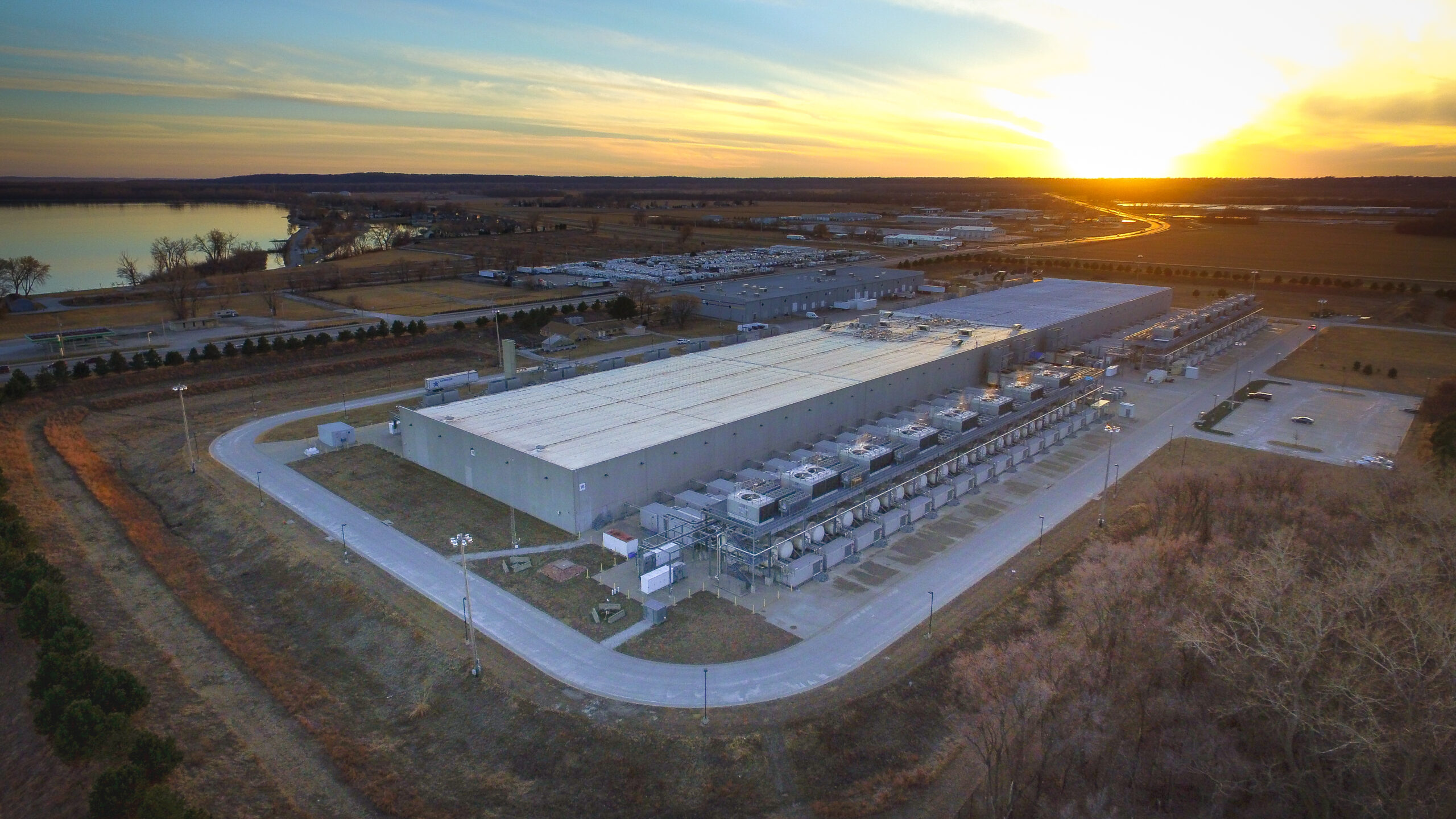
Photo: Chad Davis – https://chaddavis.photography/google-data-center-council-bluffs-iowa/
How Data Centers Consume Water:
The rapid expansion of server-based data management and storage, especially with the expansion of artificial intelligence (AI) has spurred a major data center building boom. This growth has driven a concomitant demand for the land, electricity, and water needed for these new data centers.
A major impact of data centers is their dependence on constant, large volumes of water. Functioning data centers are ‘on’ 24/7, generating considerable heat around the clock and requiring their hardware (e.g. computers, chips, servers, hard drives) to be cooled to maintain operational performance and longevity. Data centers utilize a variety of approaches to cooling, nearly all of which require significant water consumption.
In addition, data centers consume water indirectly, through their electricity use. Most electrical power generation, whether coal, natural gas, or nuclear, utilize water in steam generators to convert heat energy into electrical energy. This impact is especially true for fossil fuel power plants; in 2022, 40% of all total U.S. annual water withdrawals, or about 48.5 trillion gallons, were made by coal and gas power plants.
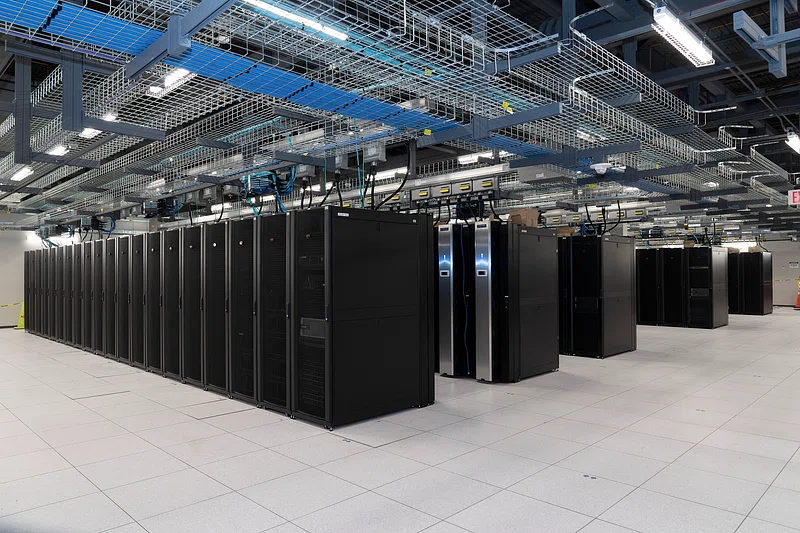
Photo by U.S. Department of Energy on Flickr
Water Sources and Consumption:
In most cases, data centers source their water from local public water utilities via their potable drinking water delivery systems. In some instances, particularly in remote or rural locations, data centers take water from wells, drawing from underlying aquifers. These public water supplies are responsible for serving all area consumers, including residences, businesses, public facilities, and farms. Typically, these public supplies draw from finite water sources that depend on rainfall to replenish themselves. Data centers become one more strain on these sources, competing with other users for the same finite resources.
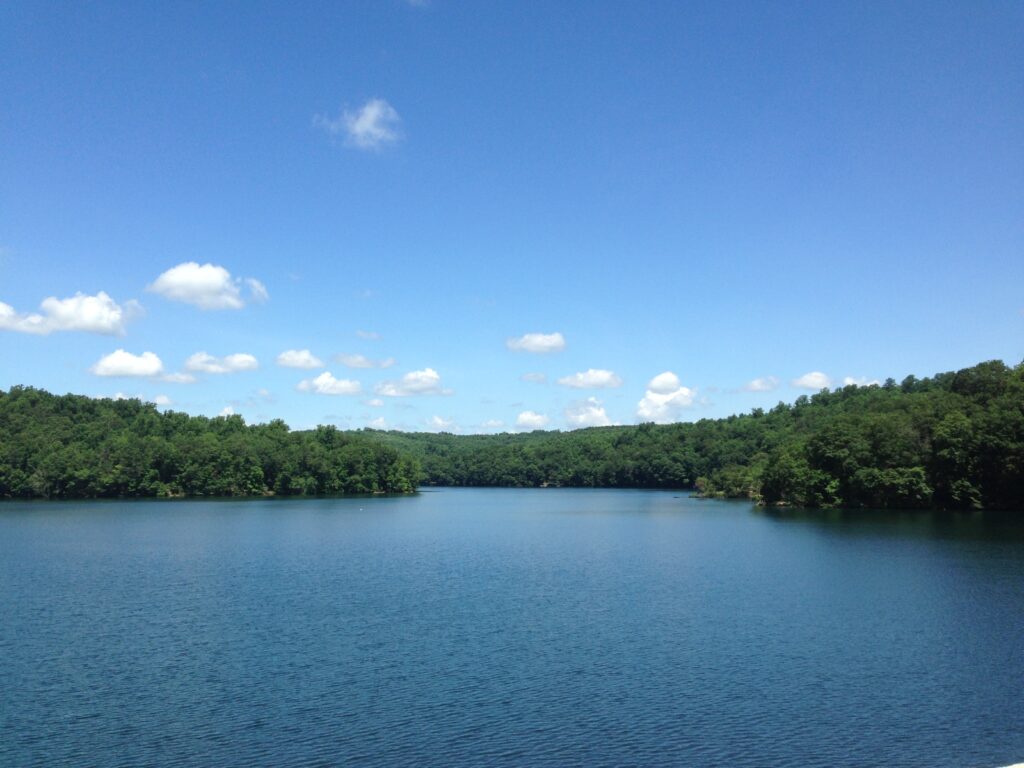
Photo by HRae on Wikimedia Commons

Data centers’ water consumption refers to the amount of water withdrawn from its source that is not returned, generally water that has evaporated off during the cooling process. Enterprise data centers’ consume, on average, 300,000 to 500,000 gallons of water per day, but this can vary significantly based on size and cooling method. Large hyperscale centers generally consume one to five million gallons per day. For context, five million gallons per day is equivalent to the water use of a town of 10,000 to 50,000 residents. This already high consumption typically increases during the summer, when warmer weather can triple water demand.
Wastewater Impacts:
Data centers can introduce several types of pollutants into water systems. These pollutants fall into three main categories.
- Biocides: chemicals to prevent the growth of bacteria, mold, and algae in the cooling system, and the most common pollutant in data center water systems.
- Corrosion inhibitors: chemicals that prevent corrosion within cooling systems
- Heavy metals: metals, such as copper zinc, and lead, that can enter the water in trace amounts when metal components degrade.
Additionally, fine salt dust that drifts in the atmosphere from evaporative cooling towers can settle on nearby soils and surface waters, potentially harming vegetation and increasing salinity in aquatic systems. This concern is especially pressing given that salt pollution is already a growing issue in certain water supply reservoirs, including the Occoquan.
Challenges in Estimating Future Impacts:
Surveys suggest that at present, most local water systems are meeting the demand from the current number of data centers, along with other needs. However, concern arises when looking at the proposed increase in both the number and scale of data centers and anticipating their consumption of water and electricity. Let’s consider one local example: Northern Virginia, considered the world capital for data centers. At present it has over 300 operational data centers spread across four counties: Fairfax, Loudoun, Prince William, and Fauquier. Collectively, Northern Virginia data centers consumed close to 2 billion gallons of water in 2023—a 63% increase from 2019—and it is estimated data centers make up around 3% of total water consumption in the Potomac River Basin. As the country undergoes an AI transformation, this consumption is only expected to rise; a recently published report from the U.S. Department of Energy found that data center resource demand has tripled over the last decade and is expected to triple again in the next three years.
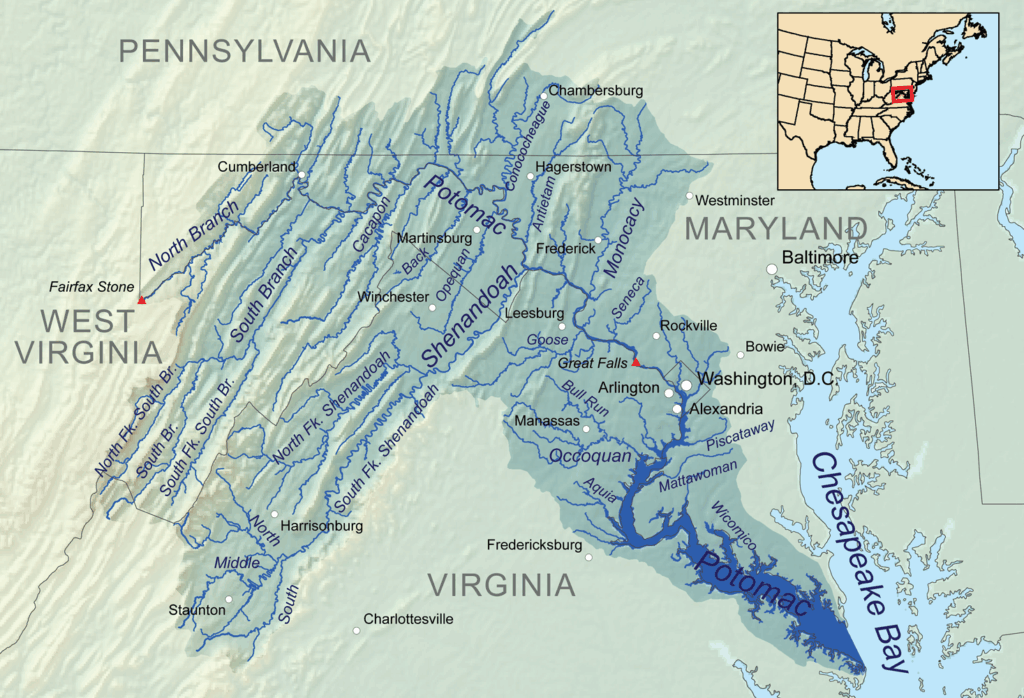
Data centers make up around 3% of total water consumption in the Potomac River Basin / Photo by Kmusser on Wikimedia Commons

Predicting data centers future water needs is complicated by several factors. First, many data center developers are unwilling or unable to report their current water consumption. This lack of transparency has even extended to some local government representatives who have signed nondisclosure agreements (NDAs) with developers and refused public requests to report key information in the community interest. In addition, a 2016 report found that fewer than one-third of data center operators even track water consumption, adding to this lack of transparency.
A third complicating factor is the considerable seasonal variation in water consumption data centers. Data centers tend to use significantly more water during the hot and humid summer months than during drier and cooler seasons. Estimating this seasonal variation often must utilize limited information on water use that is shared by public water suppliers.
Policy Recommendations:
To manage data center water use, limit pollution, and increase transparency, several consistent, uniform policies must be implemented across jurisdictions:
- Require data center developers to report their projected water needs, taking into account seasonal variation, and impose penalties when use exceeds those reported levels.
- Regulate data centers waste to limit chemical, thermal, and salt dust pollution.
- Insist that local governments are transparent with their constituents about proposed data center developments and their community and environmental impacts, including prohibiting NDAs between public officials and data center developers.
- Require data center developers to utilize technology consistent with the industry’s best practice goals for energy efficiency, water conservation, including the utilization of more water-efficient cooling systems like closed-loop cooling, immersion cooling, or cooling using non-potable water.
- Consider and implement elements of PennFuture’s Zoning Ordinance Template for data center development.