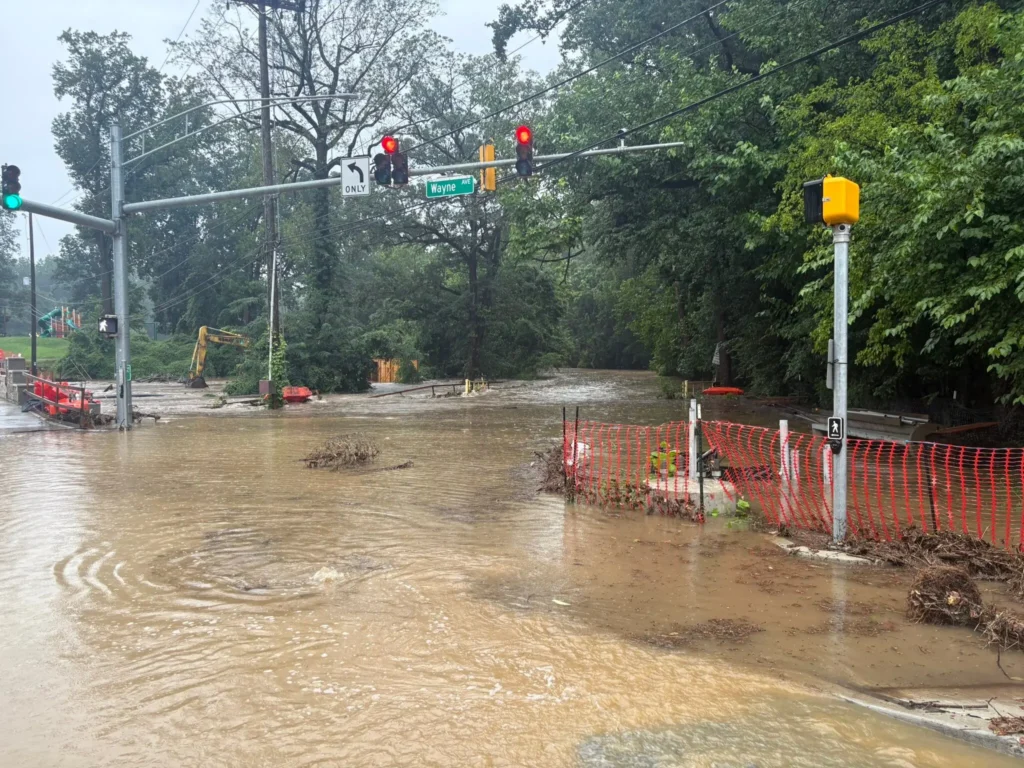
In late July 2025, torrential weather swept across the I‑95 corridor, from Washington, D.C. to New Jersey. The storms dumped 2–6 inches of rain in under an hour, triggering flash floods across DMV neighborhoods including Bethesda, Parkside and Silver Spring. The devastation was immediate as residents took to social media to show vehicles stranded, basements inundated, roadways submerged, and neighborhood drains overwhelmed.
Among the tragedies was the death of a 13‑year‑old boy who became trapped and drowned in a storm drain in Mount Airy, Maryland, a heartbreaking reminder of how swiftly floodwaters can become perilous. First responders also rescued multiple children, including a 12‑year‑old rescued from a sinking car in Montgomery County.
These recent flash floods were part of a record-setting year for flood alerts.: The Baltimore/Washington, DC National Weather Service office has issued 109 flash flood warnings so far this year, the most since 1998. Maryland alone has issued more than 50 flash flood warnings so far in 2025, which is the most since 2020.
Why “Flood Wise” Communities?
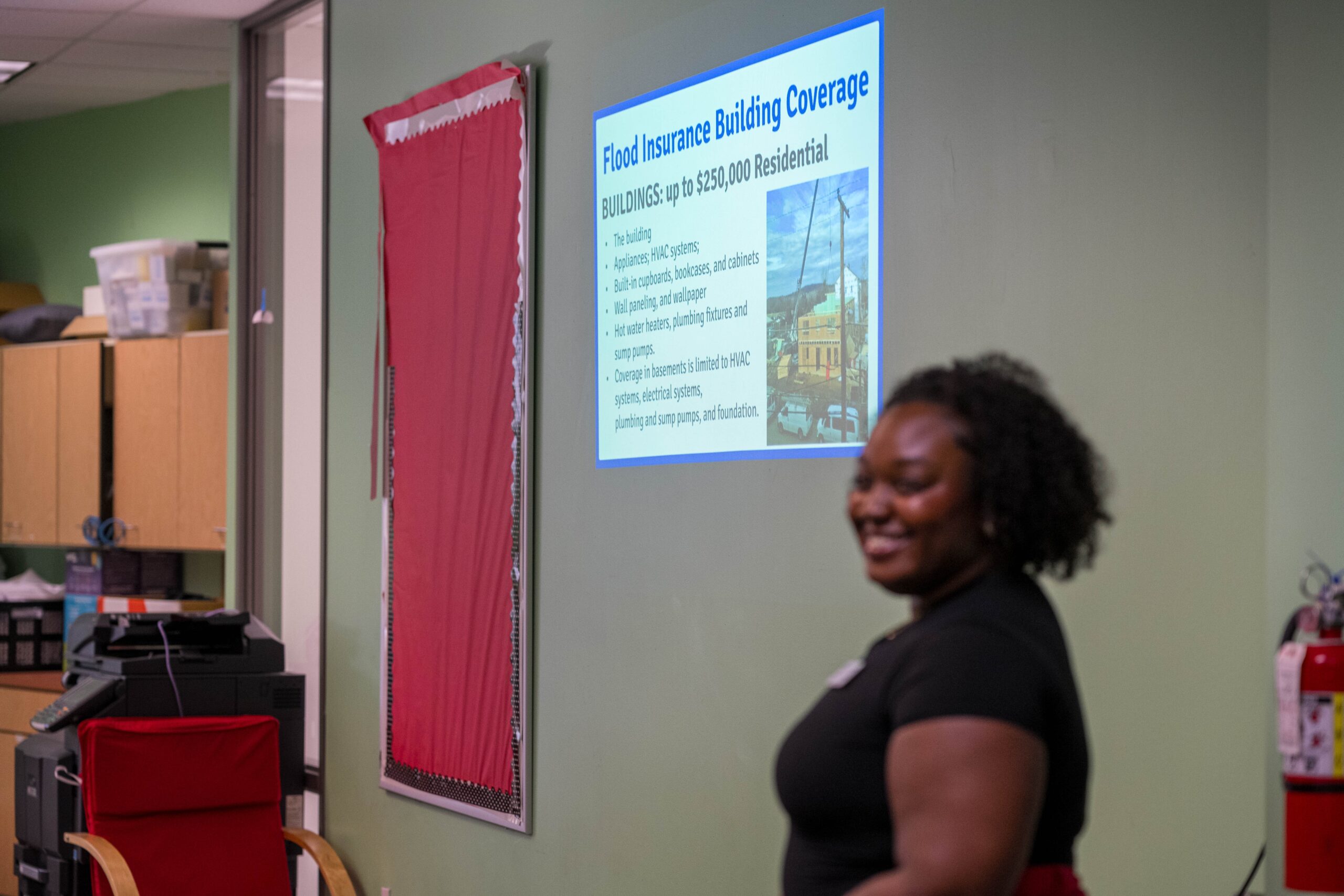
Nature Forward’s Rise Above: Building Flood Wise Communities program is designed to help residents gain and share critical knowledge and tools to reduce flood risk at the neighborhood level and how to rise above gaps in awareness, government trust, and access.
More than workshops, the Rise Above program is about empowering residents with:
- Flood biology and watershed literacy, so individuals understand how rainfall and pollution impact floodwater movement.
- Neighborhood flood mapping and home‑level strategies, such as rain gardens, green infrastructure, and evacuation planning.
- Community‑led advocacy, enabling residents of Wards 7 and 8 to raise their voice and speak out for equitable policy and funding.
A Call to Rise Above
As flood risks increase, programs like Rise Above: Building Flood Wise Communities offer a proactive path forward. By leveraging community knowledge, hands-on training, and watershed education, the program is helping build climate resilient neighborhoods.
As the RFK Stadium site undergoes redevelopment, ensuring sustainable and climate-resilient design standards is critical, especially given its proximity to the Anacostia River and low-lying neighborhoods vulnerable to flooding. Large, paved areas and poorly managed stormwater infrastructure have historically worsened flood risks in the District, particularly east of the river. Without careful planning, new development on this site could worsen runoff, overwhelm drainage systems, and increase the frequency and severity of flash floods affecting nearby communities. Prioritizing green infrastructure, permeable surfaces, and natural buffers within the RFK redevelopment can help absorb rainfall, reduce pollution, and create a landscape that protects both the river and the residents. In an era of increasingly intense storms, how we reshape land near waterways will directly shape whether D.C. communities can weather future floods or be left underwater.
Compounding the urgency is the absence of dedicated funding for green infrastructure maintenance and other clean water priorities in the District’s FY26 budget. This omission is not just a policy gap. It’s a failure to uphold core environmental justice principles. Communities most affected by flooding, pollution, and climate-related hazards are often the same neighborhoods that have endured decades of disinvestment and environmental harm.
Environmental justice calls for proactive investment in infrastructure that protects the health, safety, and dignity of these communities, not reactive measures after disaster strikes. By neglecting to fund maintenance for rain gardens, stormwater retention systems, and tree canopies, the budget undermines D.C.’s stated equity goals and leaves residents vulnerable. A truly just and climate-resilient future demands not only building green infrastructure but also committing long-term resources to sustain it.
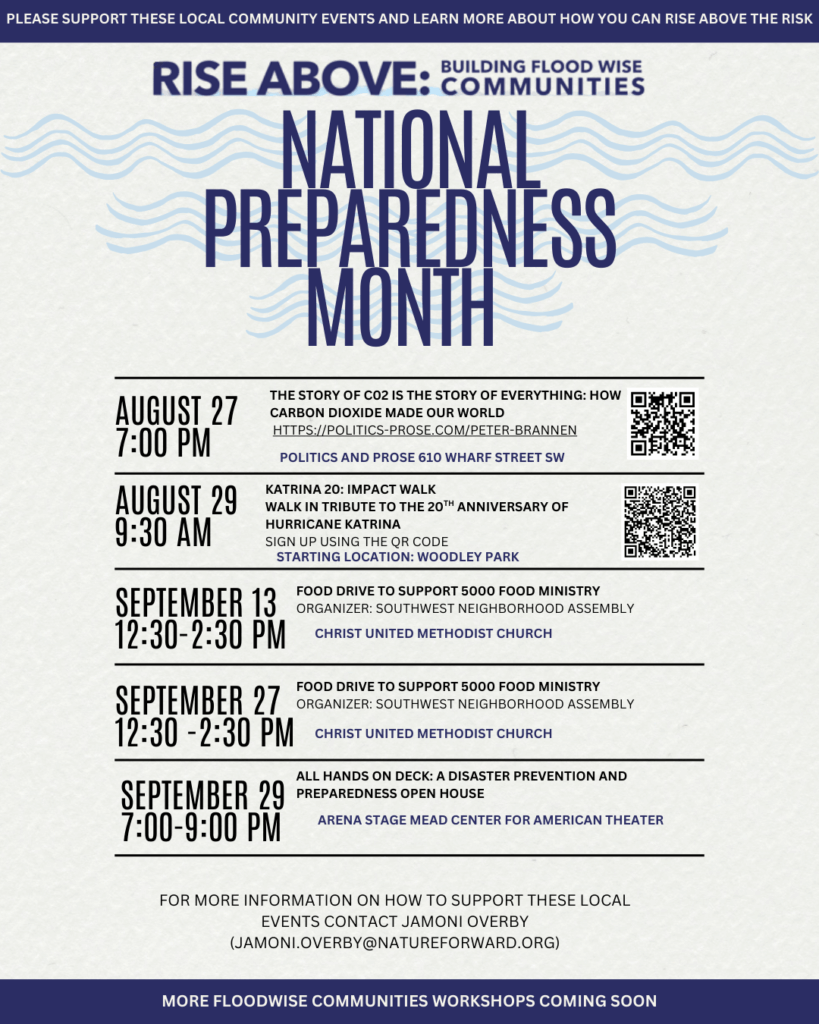
September is recognized as National Preparedness Month, a timely reminder of the importance of building resilience at both the household and community level. As extreme weather events like flash floods become more common in the District, residents need access to the tools, knowledge, and resources that help them prepare, respond, and recover. From knowing evacuation routes to having emergency kits and flood insurance, preparedness can save lives. But resilience isn’t only about individual action, it requires public investment in community education, infrastructure, and equitable planning that ensures all neighborhoods, especially those most at risk, are protected before the next storm hits.
Please join Nature Forward and our partners for upcoming events next month for National Preparedness Month this September 2025. See more information below and contact our DC Conservation Advocate if you have any questions.